

10 Important Tips to Prepare a Pool for a Storm or Cyclone
As storm and cyclone season approaches in Australia, homeowners are bracing for potential disruptions to their homes and properties. To prepare a pool for a storm or cyclone, it’s crucial to take necessary steps to prepare and protect your investment. Strong winds, heavy rains, and flooding can cause serious damage to your pool and surrounding areas if you’re not adequately prepared.
At Leisure Pools, we understand how important your fibreglass pool is to you, which is why we’ve put together this comprehensive guide on how to prepare a pool for a storm or cyclone. Whether you’re dealing with high winds or torrential rain, taking the right precautions will help protect your pool during the storm or cyclone and ensure it’s ready for use once the disruption has passed.
In this post, we’ll walk you through the essential steps to protect your pool, from securing the pool area and equipment to checking your insurance coverage and warranty. We’ve also included common mistakes to avoid, so you can ensure your pool stays in top condition before and after the storm. Let’s dive in on how to prepare a pool for a storm or cyclone.
- Secure the fibreglass pool area: When you prepare a pool for a storm or cyclone, remove loose items such as pool furniture, toys, inflatables, pool blankets and decorations to prevent wind damage and debris contamination.
- Protect pool equipment: Turn off and disconnect the pool pump, filter, heater, lighting and other electrical equipment, and secure equipment enclosures against strong winds and flooding.
- Manage pool water levels safely: Lower the water level to approximately 10–12 cm below the skimmer to accommodate heavy rainfall, but never empty your fibreglass pool, as groundwater pressure can cause structural damage.
- Prepare the surrounding area: When you prepare a pool for a storm or cyclone, trim nearby trees and shrubs, secure pool fencing and gates, store outdoor furniture and decorative objects, and pack away pool covers before the weather event arrives.
- Check insurance and warranty coverage: Review your home insurance policy and Leisure Pools warranty handbook to understand what cyclone-related damage may be covered.
- Plan for post-storm pool maintenance: Remove debris, inspect the fibreglass pool and surrounding areas for damage, check the filtration system and equipment, and rebalance the water chemistry before swimming.
1. Clean and Secure Your Pool Area
To start to prepare a pool for a storm or cyclone, begin by removing any loose items around your pool area. Pool blankets and rollers, pool toys, furniture, outdoor decorations, and plants can all become dangerous projectiles in high winds. These objects can cause damage to your fibreglass pool or the surrounding areas. Clearing your pool area of any debris is also crucial to prevent contamination of your pool water.

2. Turn Off Pool Equipment
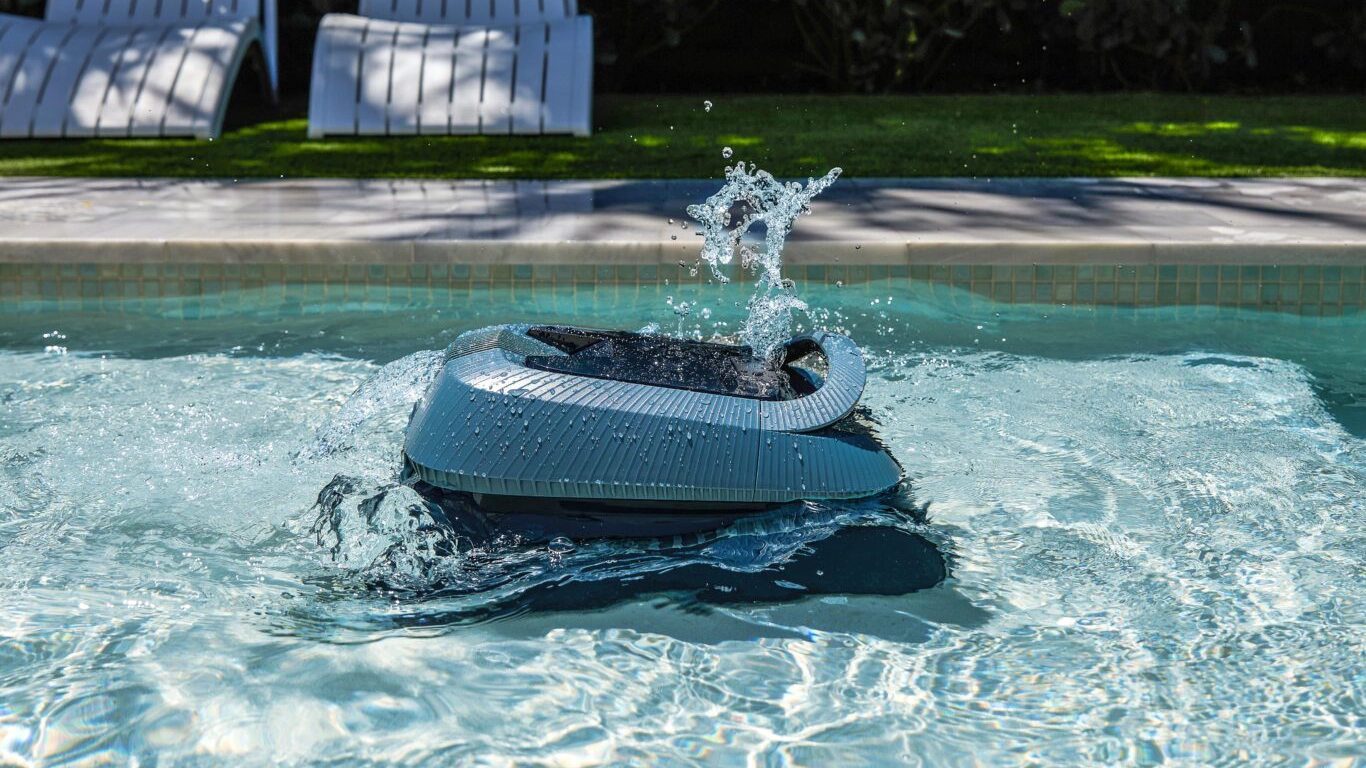
It is recommended when you prepare for a storm or cyclone to turn off your pool pump, filter, and any other electrical equipment is critical to prevent damage from power surges, lightning, or flooding. Disconnect all electrical components or isolation switches, including heaters, lighting, and saltwater chlorinators. If possible, store equipment in a safe location, like Leisure Pools’ Cabinet or Water Feature Enclosures, to prevent water exposure.
Pro Tips: When you prepare a pool for a storm or cyclone, check your Leisure Pools warranty handbook and your equipment handbooks, supplied by the manufacturers, to ensure you are covered in case of damage caused by the weather event.
3. Lower the Water Level
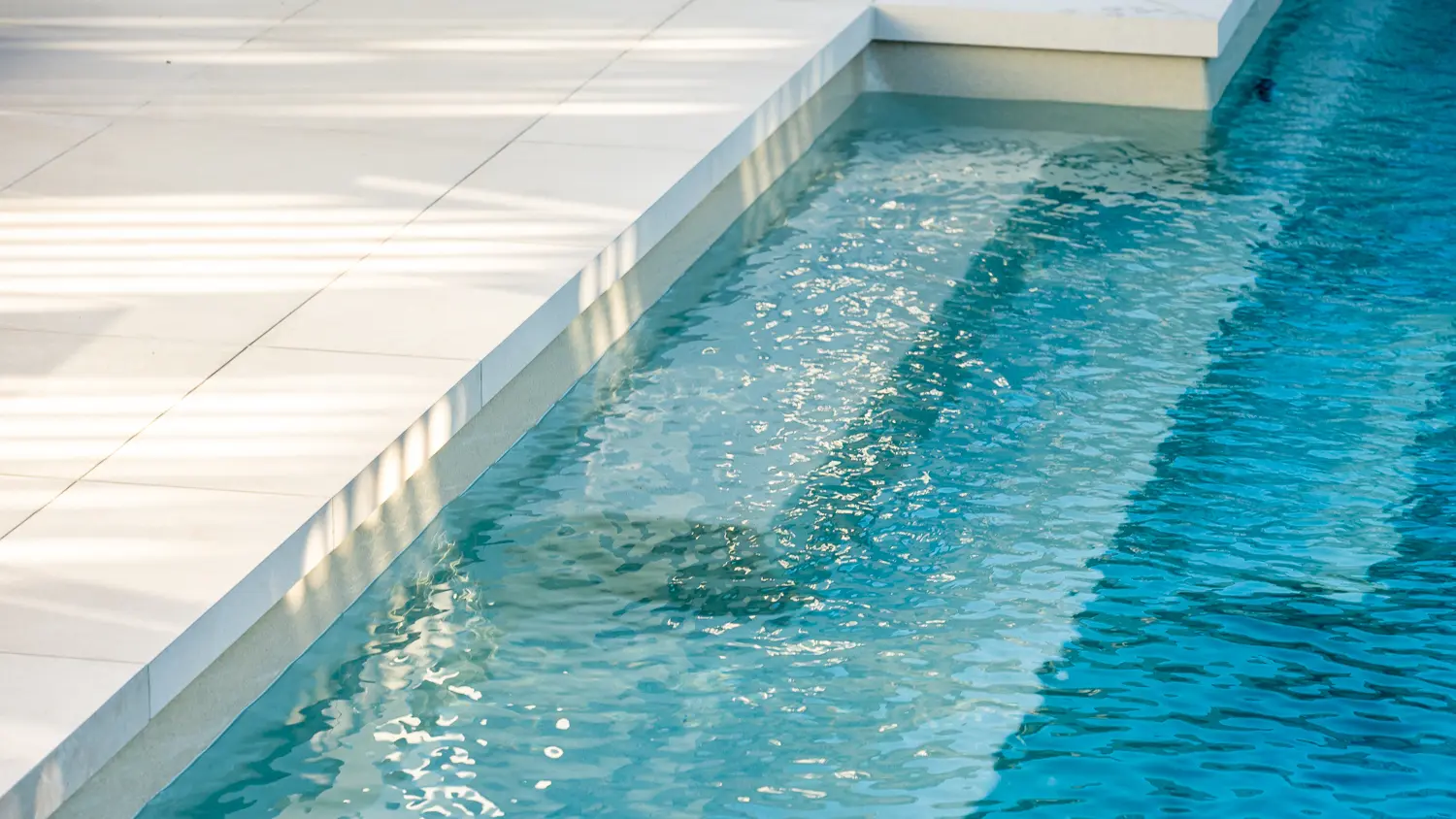
Excessive rainfall from a storm or cyclone can cause your pool to overflow. To minimise the risk of overflow, lower your pool’s water level to mid-skimmer level. This allows the pool to handle excess rainwater without overflowing. Fibreglass pools are less prone to cracking or structural damage than other pool types, but lowering the water level is a simple step to prepare a pool for a storm or cyclone.
4. Secure Pool Covers and Enclosures
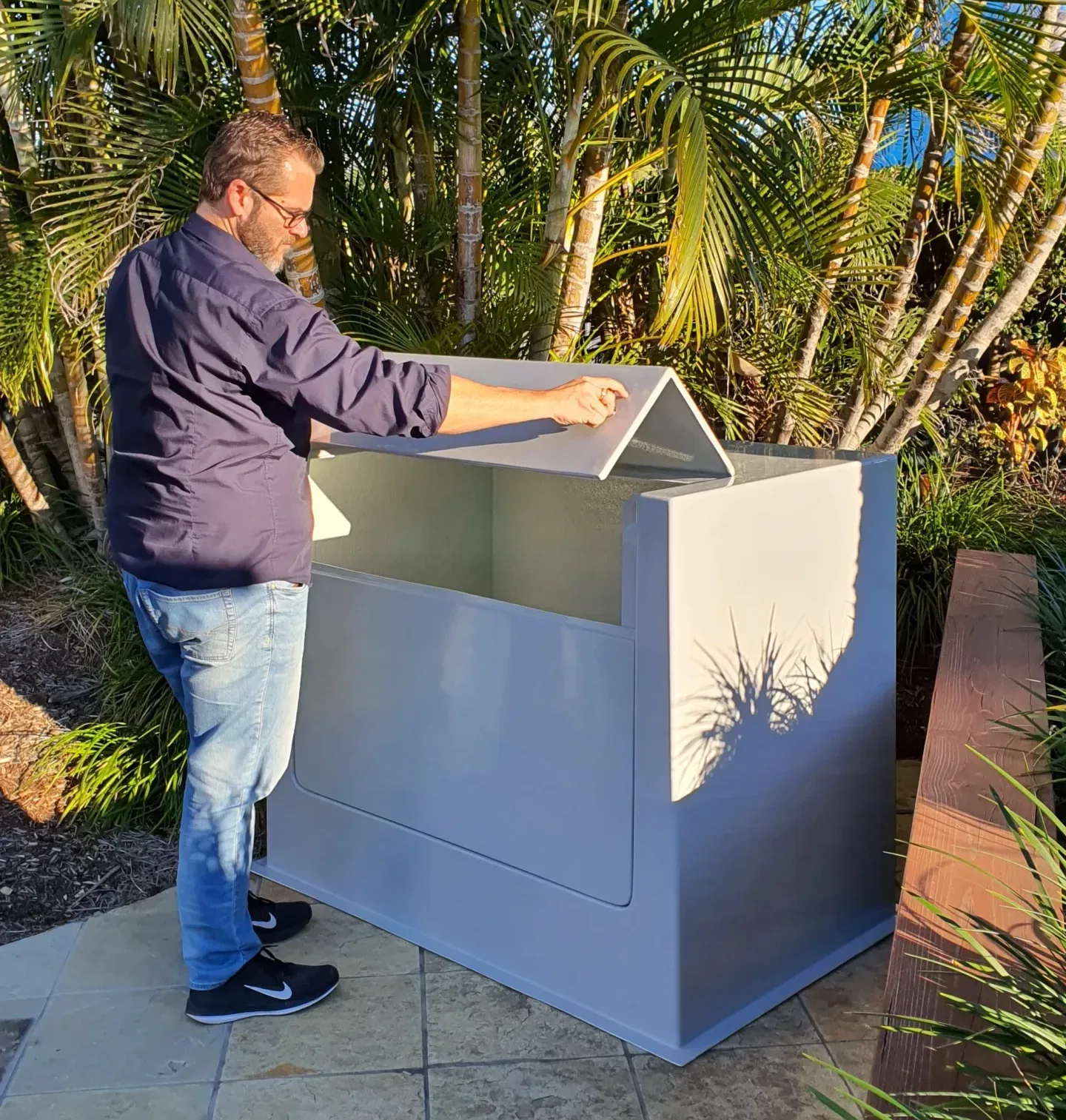
If you have a pool cover, make sure it’s properly secured and packed away before the storm or cyclone. Do not try to cover your pool. Strong winds can easily tear or damage unsecured pool covers. If you have a Leisure Pools Equipment Enclosure, ensure that the doors are tightly closed and locked to prevent them from being blown open by strong winds.
Pro Tips: If you don’t have an enclosure, consider installing one after the cyclone season. These enclosures offer protection for your pool equipment, ensuring your filtration system, pumps, and chemicals are safe from the elements. This means that the next time you need to prepare a pool for a storm or cyclone, there will be less equipment to secure and less preparation required.
5. Check Your Home Insurance
Verify whether your home insurance covers pool damage during a storm or cyclone. Some policies don’t automatically include pools, or they may have exclusions for storm damage. By confirming your coverage ahead of time, you can avoid any surprises if the worst happens. Speak to your insurer about coverage for pool damage from storms and cyclones to ensure your investment is fully protected.

6. Trim Trees and Shrubs Near the Pool
Not only should you prepare a pool for a storm or cyclone, but you should also prepare the surrounding areas. If you have dense trees or shrubs near your pool, trim them back well before the storm or cyclone hits. Falling branches and debris can easily damage your fibreglass pool or create a mess. This is a great time to assess the landscape around your pool and clear away any branches or plants that may pose a risk.
Pro Tips: After trimming, inspect the ground around your fibreglass pool for debris like fallen branches or leaves, and clear them away.
7. Reinforce Pool Fencing and Gates
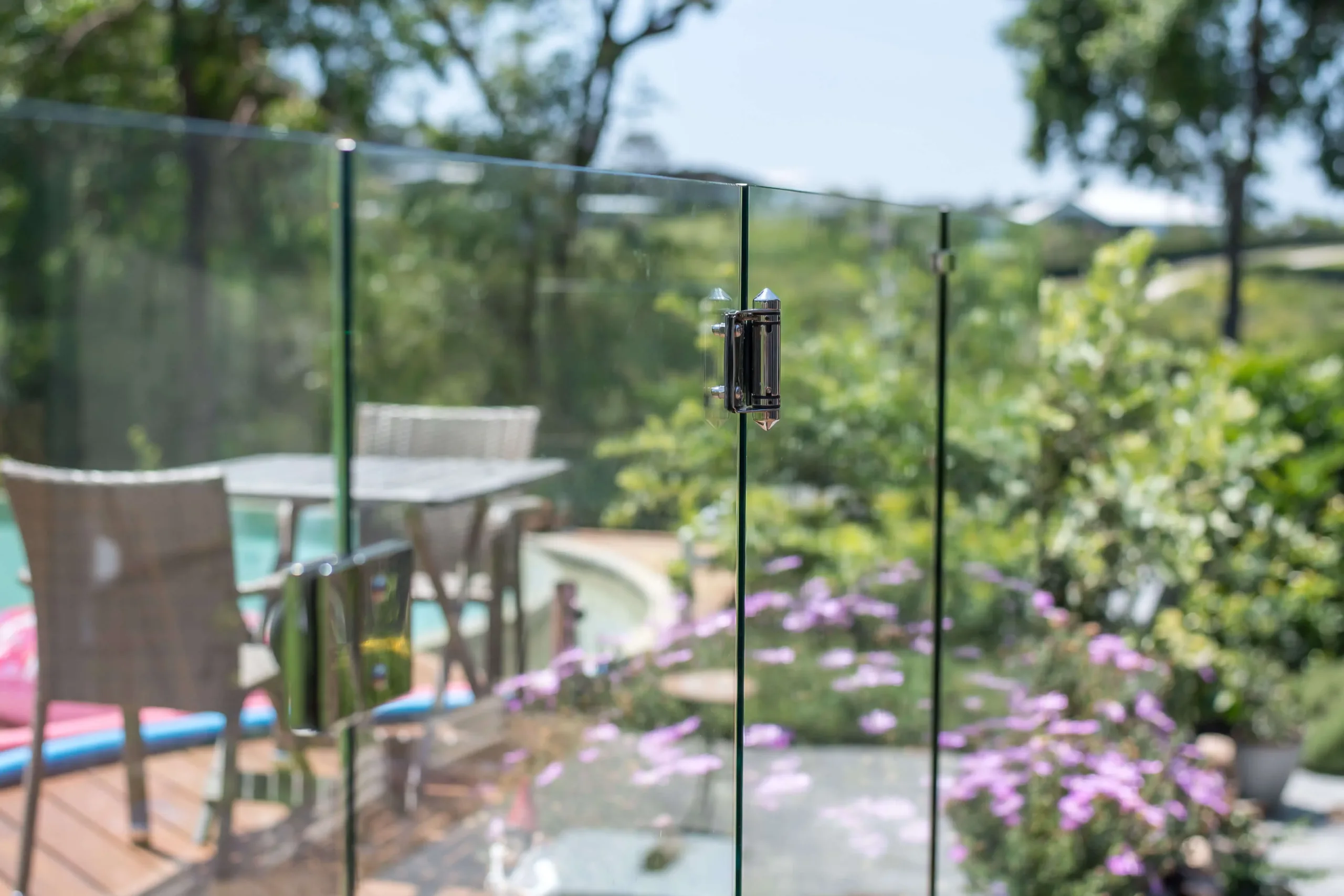
In high winds, unsecured pool fences and gates can become a safety hazard. To prepare a pool for a storm or cyclone, make sure that all pool fencing and gates are secure and locked. Check that the fencing is firmly anchored and that there are no loose panels or damaged sections that could be blown over or become a danger to your family. If necessary, consider temporarily reinforcing the fence with additional supports to ensure it stays in place during the storm or cyclone.
8. Stock Up on Pool Maintenance Supplies
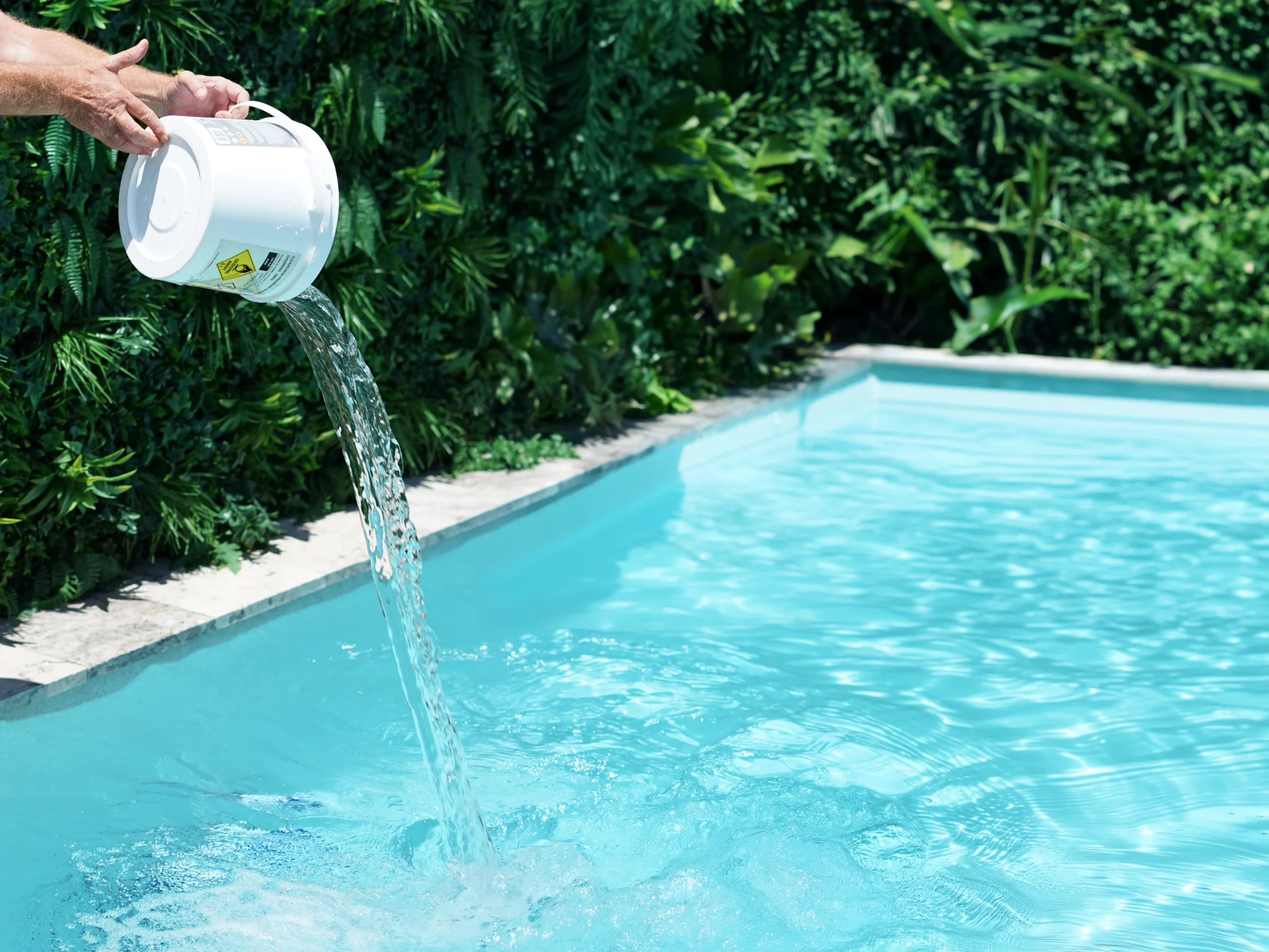
To prepare your fibreglass pool for an upcoming storm or cyclone, make sure you have essential pool maintenance supplies on hand for post-cyclone clean-up. After the storm, you may need additional chemicals, filters, and cleaning tools to restore the water balance and clear debris from your fibreglass pool. Stock up on pool shock, algaecides, and a good pool brush, so you’re ready to handle any contamination that may have occurred during the storm or cyclone.
9. Protect Your Pool’s Surrounding Area
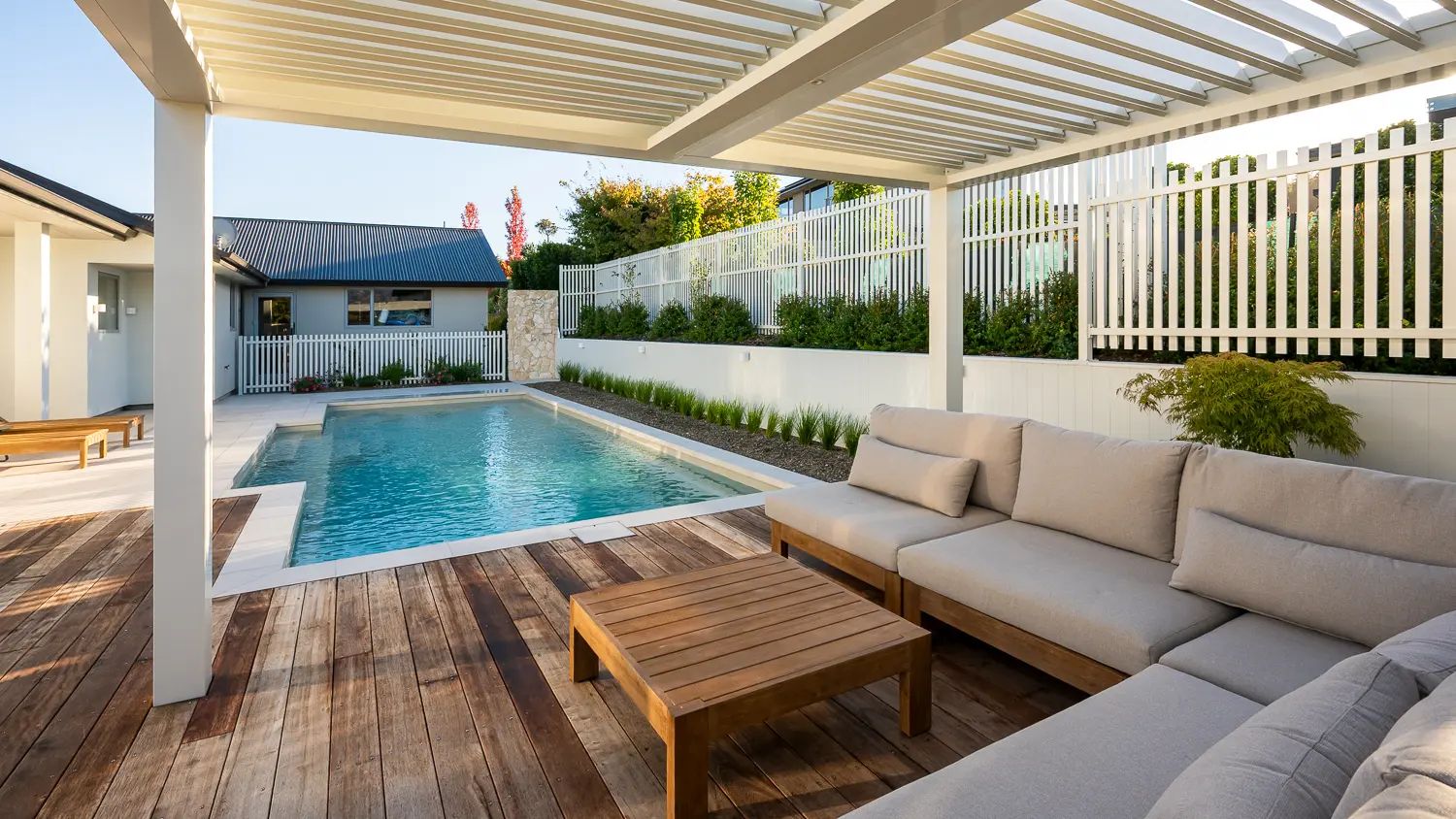
To prepare a pool for a storm or cyclone, consider reinforcing the area around your fibreglass pool to avoid damage from debris. If your pool has a surrounding deck or landscaped area, you might want to clear out outdoor furniture, large pots, or decorative objects. These items can be blown around and cause damage to your swimming pool’s surroundings. If possible, store larger items like planters or outdoor seating in a secure location, such as a garage or shed, to keep them from becoming hazards.
10. Plan for Post-Storm or Post-Cyclone Clean-Up
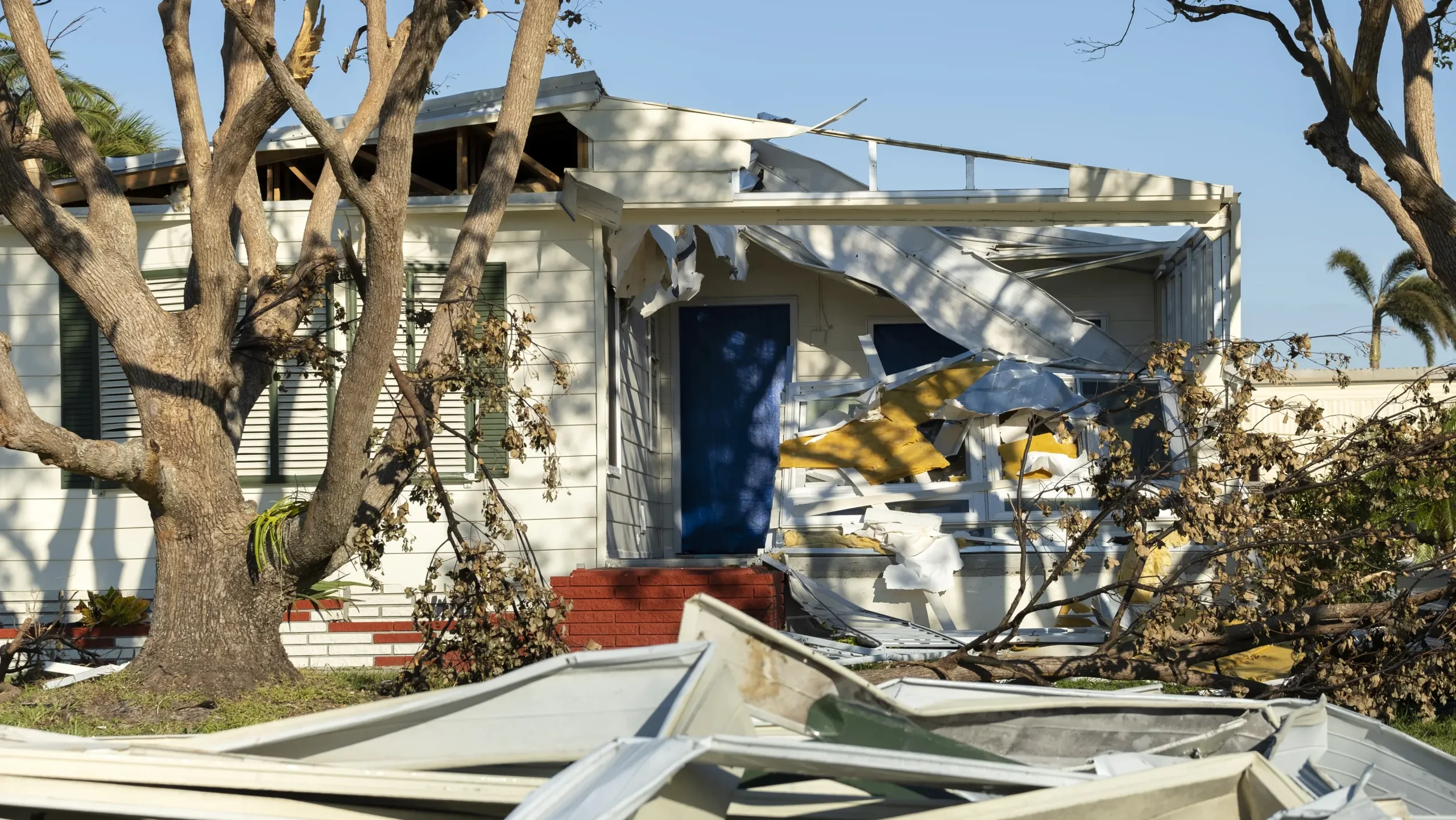
Not only should you prepare a pool for a storm or cyclone before the event, but you should have a post-storm or post-cyclone plan too. Once the storm or cyclone has passed, the cleanup process begins. Expect to remove debris, inspect your pool for any damage, and clean up the area surrounding your pool. After the storm or cyclone, check your filtration system, water chemistry, and pool equipment.
Pro Tips: Check your Leisure Pools warranty handbook for guidance on how to report and handle any damage covered under your warranty. Quick action can help prevent further damage and make repairs easier.
What NOT to Do: Common Mistakes When You Prepare a Pool for a Storm or Cyclone
1. Don’t Empty Your Fibreglass Pool
It may seem like a good idea to empty your fibreglass pool to avoid overflow, but this is one of the biggest mistakes you can make. Removing all the water from your pool can lead to structural damage due to hydrostatic pressure – essentially, groundwater pressure pushing up on an empty pool. You may think this is a good way to prepare a pool for a storm or cyclone, but this can cause your pool to shift or even float, leading to costly repairs.
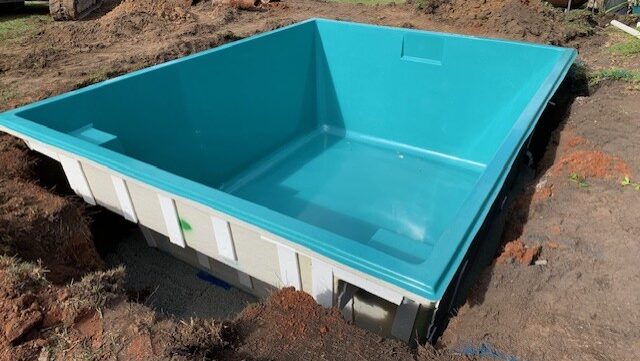
Why It’s a Bad Idea? Fibreglass pools are designed to stay filled with water. Emptying your pool can result in warping or cracking of the structure. It also voids your lifetime warranty due to internal structural damage not visible to the eye.
2. Don’t Leave Your Pool Pump Connected or On
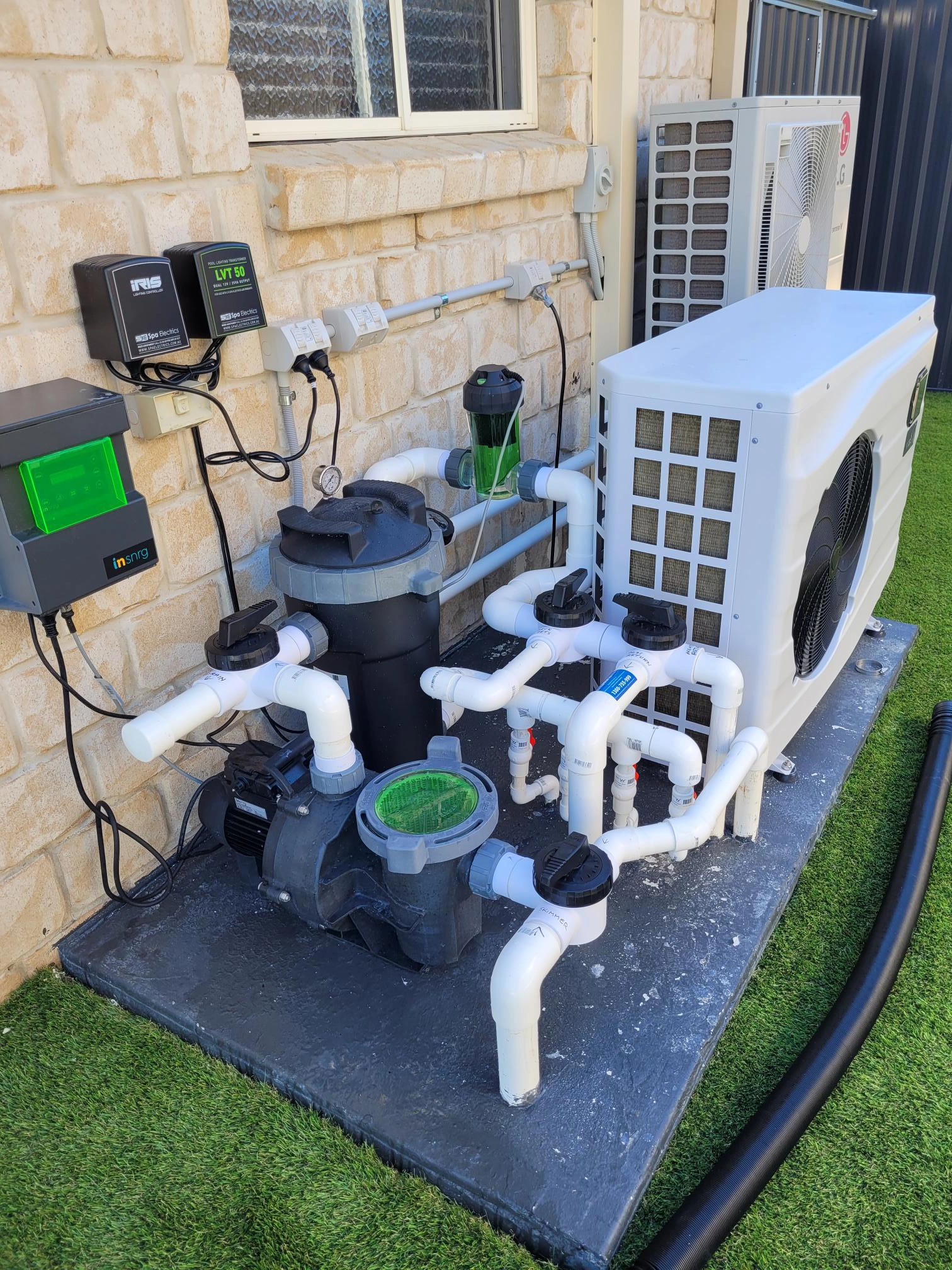
Leaving your pump or other pool equipment running or connected during a storm or cyclone can be extremely dangerous. High winds and flooding can cause electrical hazards, and a surge in power can damage sensitive equipment. Always turn off the electricity to your pool equipment and disconnect any power sources before the storm or cyclone hits.
3. Don’t Leave Items in the Fibreglass Pool
Pool blankets and rollers, pool toys, inflatables, and any other floating items should be removed from the fibreglass pool. Not only can these items get damaged, but they could also be swept away in the storm or cyclone, potentially damaging your fibreglass swimming pool or equipment. Keeping your pool clean and free of debris will help streamline the post-cyclone clean-up process.
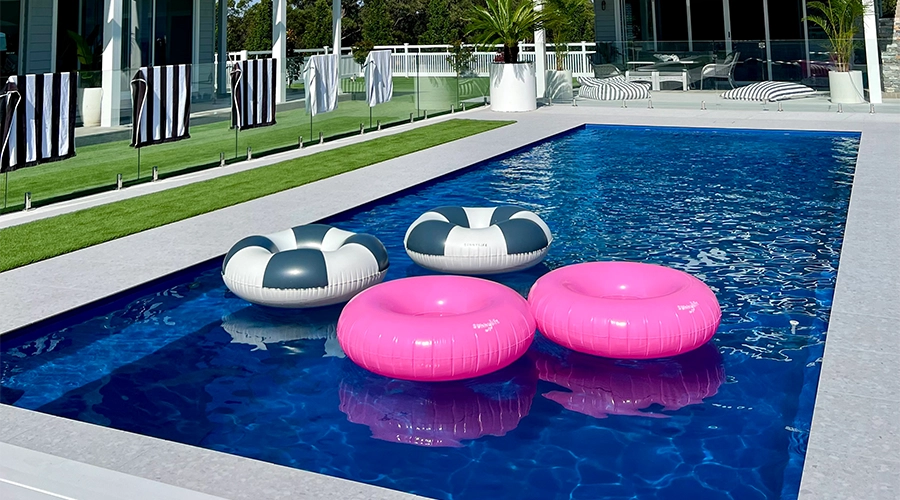
Pro Tips: To prepare a pool for a storm or cyclone, consider storing pool toys and inflatables in a safe place, such as a Leisure Pools Cabinet or Equipment Enclosure, shed or garage before the storm or cyclone arrives.
Additional Tips for Storm-Proofing and Cyclone-Proofing Your Fibreglass Pool
Flood Barriers: If you live in an area prone to flooding, you can consider setting up flood barriers around the fibreglass pool area. This will prevent external water from flowing into your pool and causing an overflow. You can purchase sandbags from some hardware stores and landscaping suppliers. Your Local Council may supply sandbags during flood, storm and cyclone season. Contact your Local Council or visit their website for more information.
Water Treatment: If your fibreglass swimming pool has been exposed to a lot of debris during the storm or cyclone, it’s important to treat the water with a strong shock treatment. This will help bring the water chemistry back into balance and ensure that your fibreglass pool remains clean and safe to swim in.
FAQs: Prepare a Pool for a Storm or Cyclone
After you prepare a pool for a storm or cyclone, you will likely need to clean and inspect your pool for debris or damage once the storm has passed. Check your filtration system to ensure it’s working properly and remove any leaves, branches, or dirt that might have accumulated during the storm. You may also need to adjust your pool’s chemical balance, as heavy rainfall can affect the pH and chlorine levels. Once cleaned and properly balanced, your pool should be ready for use again.
To prepare a pool for a storm or cyclone, you should protect your filtration system by turning it off and disconnecting any electrical components. Flooding can cause damage to your pool’s filtration system, so securing it in a weatherproof enclosure can offer extra protection. If your pool’s filtration system is housed in a Leisure Pools equipment enclosure, ensure it is securely closed to prevent wind and rain from damaging the system.
When you prepare a pool for a storm or cyclone, ensuring that any nearby trees or large structures are safe is crucial. Trim any overhanging branches that could fall into the pool during high winds, potentially causing damage. If large structures like fences or sheds are near the pool, make sure they are secure to prevent them from becoming projectiles in the storm. By trimming trees and securing nearby structures, you reduce the risk of damage to your pool and surrounding areas during the cyclone.
When you prepare a pool for a storm or cyclone, it’s crucial to secure your pool area and minimise the risk of debris damage. Remove all items from the pool, including pool toys, inflatables, and loose furniture. Check the surrounding landscape for any branches or large objects that could be blown into the pool, causing damage. If you have trees nearby, trim any overhanging branches that might fall during the storm. This will reduce the likelihood of debris contaminating your pool and help prevent damage to your pool’s structure.
To prepare a pool for a cyclone, you should take several important steps. Start by cleaning and securing your pool area, removing all loose items such as toys, furniture, and pool equipment. Turn off all pool equipment, including the pump and filter, and disconnect them to protect them from power surges or flooding. Lower the water level by about 10-12 cm to accommodate additional rainwater. Ensure that your pool cover is securely fastened, and, if you have an equipment enclosure, make sure it’s closed and protected. Lastly, not only should you physically prepare a pool for a cyclone, but you should check your warranty and home insurance to ensure coverage.
To prepare a pool for a storm or cyclone, remove loose items, secure pool covers, lower the water level about 10-12cm below the skimmer (DO NOT empty!), and disconnect all electrical equipment. Don’t forget to check your warranty for specific guidelines related to cyclone damage and talk to your insurance company before the storm to check your coverage.
To prepare a pool for a storm or cyclone, make sure to turn off and disconnect all pool equipment, such as the pump, filter, and heater. Leaving your pump on or connected to electricity can be dangerous during a storm due to potential power surges or flooding. Disconnecting your equipment ensures that it won’t be damaged and helps protect your electrical system. Not only should you prepare a pool for a cyclone, but you need to check your equipment. If your equipment is housed in an enclosure, check that it is securely closed to prevent damage from debris or high winds.
To prepare a pool for a storm or cyclone, switch off and disconnect your pool pump, filter, and other equipment before the storm. This will prevent damage from power surges or flooding.
Not only should you physically prepare a pool for a storm or cyclone, but it’s important to check with your insurance provider to confirm whether your policy covers pool damage during a cyclone. Not all policies automatically include coverage for pools, so review your policy carefully.
No, you should never empty your fibreglass pool when you prepare a pool for a storm or cyclone. Emptying your pool can cause significant structural damage due to hydrostatic pressure. This occurs when the groundwater pushes against an empty pool, potentially causing it to shift, crack, or even float. Always leave water in the pool to prevent these issues and help protect the structure during heavy rains and winds.
Protect Your Leisure Pools Fibreglass Pool
To prepare a pool for a storm or cyclone is essential to safeguard your investment and ensure that your fibreglass pool remains in good condition through the storm or cyclone. By considering the essential steps outlined in this guide, from securing the swimming pool area and equipment to checking your warranty and home insurance, you’ll minimise the risks and be ready for whatever the storm or cyclone brings. Don’t forget to lower your water level about 10- 12 cm below the skimmer (never empty), trim nearby trees, and ensure all electrical equipment is safely disconnected.
Equally important is avoiding common mistakes, such as emptying your fibreglass pool or leaving your pump on. These simple oversights can lead to costly repairs and unnecessary complications. Protect your swimming pool and enjoy peace of mind knowing that you’ve taken the necessary steps to safeguard your fibreglass pool during a storm or cyclone.
If you’re unsure about any step in the process, don’t hesitate to contact Leisure Pools for advice or support. And remember, it’s always wise to stay updated on the latest weather conditions by following the Bureau of Meteorology and their live updates on Facebook.
By taking these proactive steps, you’ll help ensure your pool stays safe during the storm or cyclone and be ready to enjoy it once the cyclone has passed. Stay prepared, stay safe, and remember that Leisure Pools is here to support you throughout the cyclone season and beyond.
How to Clean Your Pool After a Storm or Cyclone
Now that you know how to prepare a pool for a storm or cyclone, we have put together another article on how to clean your pool after the weather event. Learn more here.
Disclaimer: The tips and recommendations provided in this article are intended to help you prepare a pool for a storm or cyclone. They are general guidelines and are not intended as legal or professional advice. Please ensure that your fibreglass swimming pool is under warranty and that your home insurance policy covers damage to your pool in the event of a storm or cyclone. Always consult with your insurance provider and review your lifetime warranty handbook for specific coverage details. Leisure Pools is not responsible for any damages or losses that may occur due to improper preparation or lack of coverage.
Share This Story, Choose Your Platform!
In This Article:
- 1. Clean and Secure Your Pool Area
- 2. Turn Off Pool Equipment
- 3. Lower the Water Level
- 4. Secure Pool Covers and Enclosures
- 5. Check Your Home Insurance
- 6. Trim Trees and Shrubs Near the Pool
- 7. Reinforce Pool Fencing and Gates
- 8. Stock Up on Pool Maintenance Supplies
- 9. Protect Your Pool’s Surrounding Area
- 10. Plan for Post-Storm or Post-Cyclone Clean-Up
- What NOT to Do: Common Mistakes When You Prepare a Pool for a Storm or Cyclone
- 1. Don’t Empty Your Fibreglass Pool
- 2. Don’t Leave Your Pool Pump Connected or On
- 3. Don’t Leave Items in the Fibreglass Pool
- Additional Tips for Storm-Proofing and Cyclone-Proofing Your Fibreglass Pool
- FAQs: Prepare a Pool for a Storm or Cyclone
- Protect Your Leisure Pools Fibreglass Pool
- How to Clean Your Pool After a Storm or Cyclone
 Australia
 New Zealand
 United States
 Canada
 Europe
 Find a Dealer
 1300 SPLASH
 Explore Industries Australia


